How to care for gold-plated jewelry so the plating lasts
How to look after medical gold jewelry: why you mustn't polish it, what never to use, and where wear shows up first.

Gold-plated jewelry needs different care from silver, and overlooking that difference is the most common way pieces get ruined. Here's what works for gold plating and what destroys it.
Why you shouldn't polish gold-plated jewelry
Silver tarnishes by itself, and polishing brings it back – you remove the thin tarnished layer, but the silver itself stays. Gold-plated jewelry doesn't work that way.
The gold layer on a gold-plated piece is thin. When you polish it, you rub it away and the base shows through. The piece looks brighter for a moment – but only because some of the gold has just been removed.
- Don't use a silver polishing cloth – it contains an abrasive.
- Don't use toothpaste or bicarbonate of soda. They're abrasives too, just household ones.
- Don't use an ultrasonic cleaner. It lifts the plating away from the base.
What works for gold plating
A soft, dry cloth after every wear. That's all you need 90% of the time – it wipes away sweat and moisturizer before they have a chance to build up.
If the piece really is dirty, use lukewarm water, a drop of mild soap and a soft brush, then dry it thoroughly. A wet piece in a jewelry box is worse than a dirty one.
The general care routine for all materials is here: jewelry care basics.
Where wear shows first
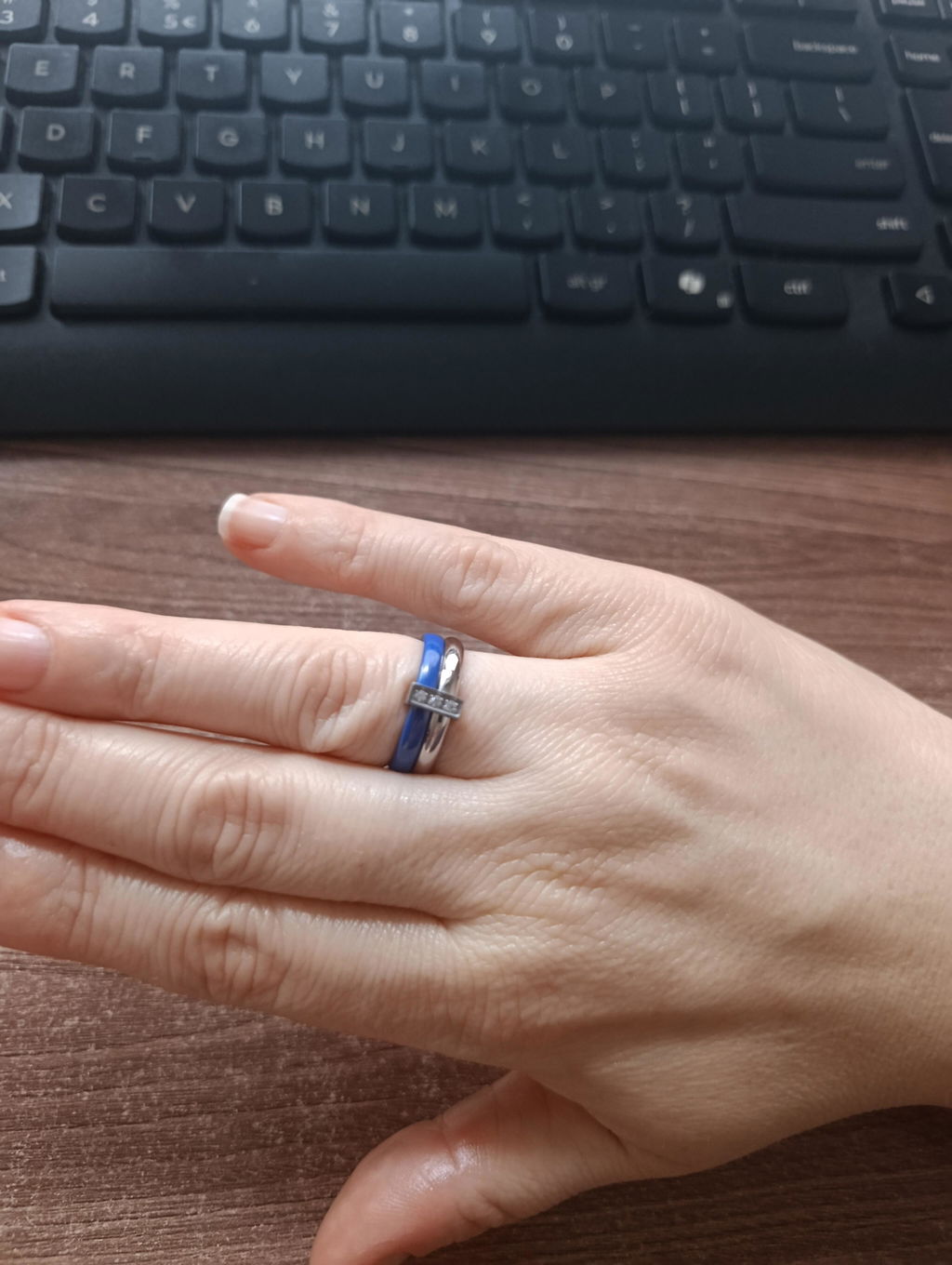
- The inside of a ring. It rubs constantly against your finger – the gold plating wears off there first, not on the outside.
- The clasp. You open and close it with your fingernails every day. On a chain, that's where wear shows up, not on the links.
- The underside of a bracelet. Your desk, keyboard and bag handle all grind away at the same spot.
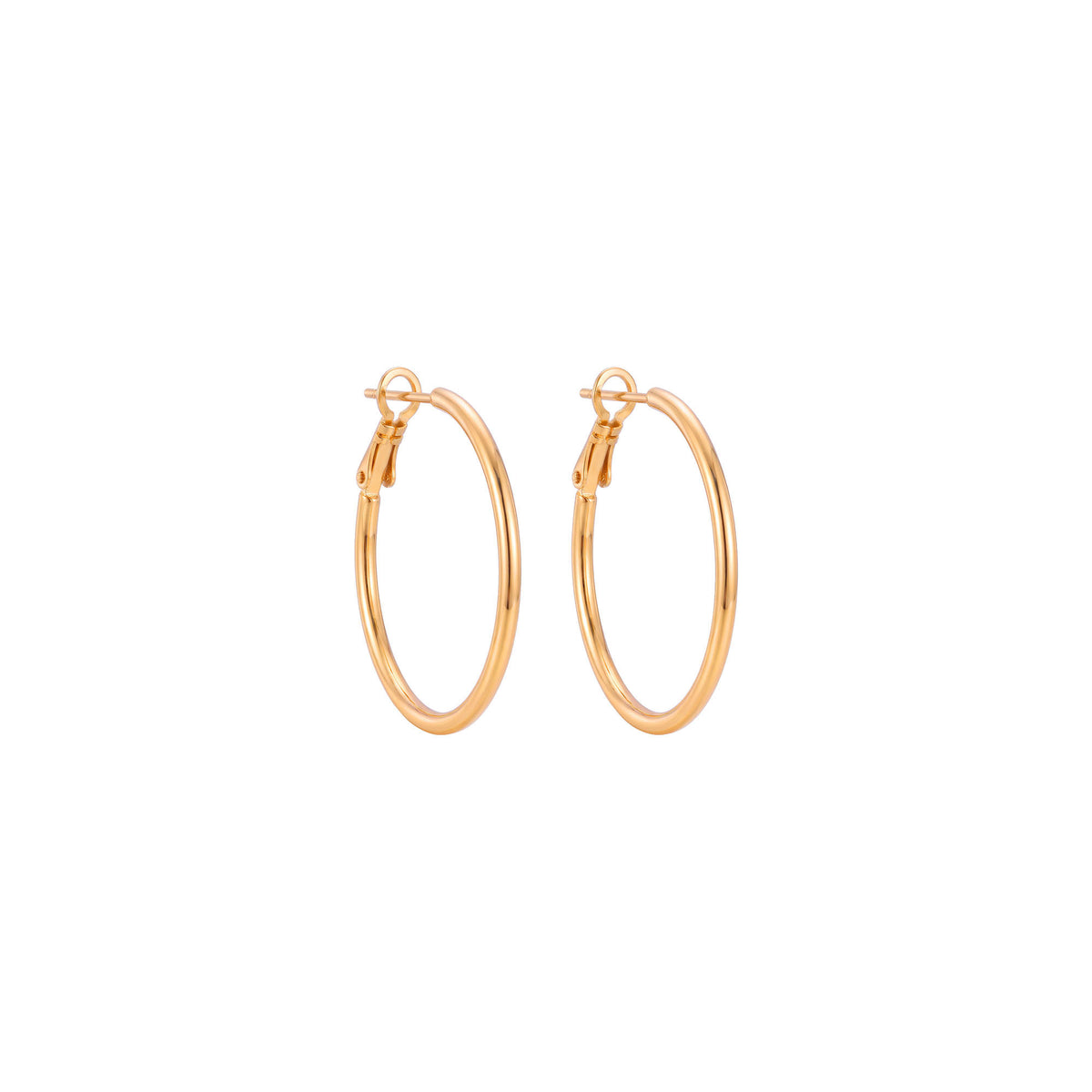
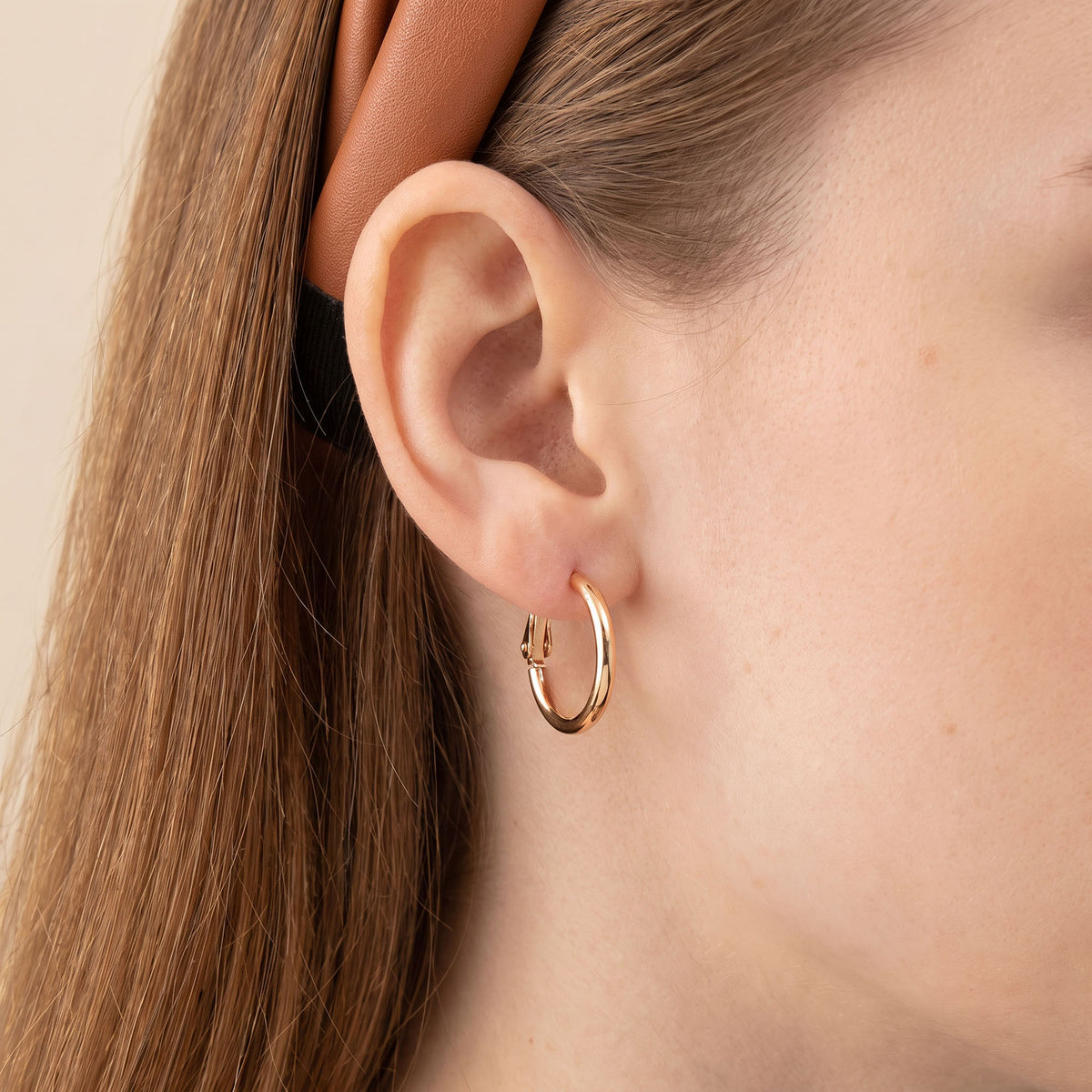
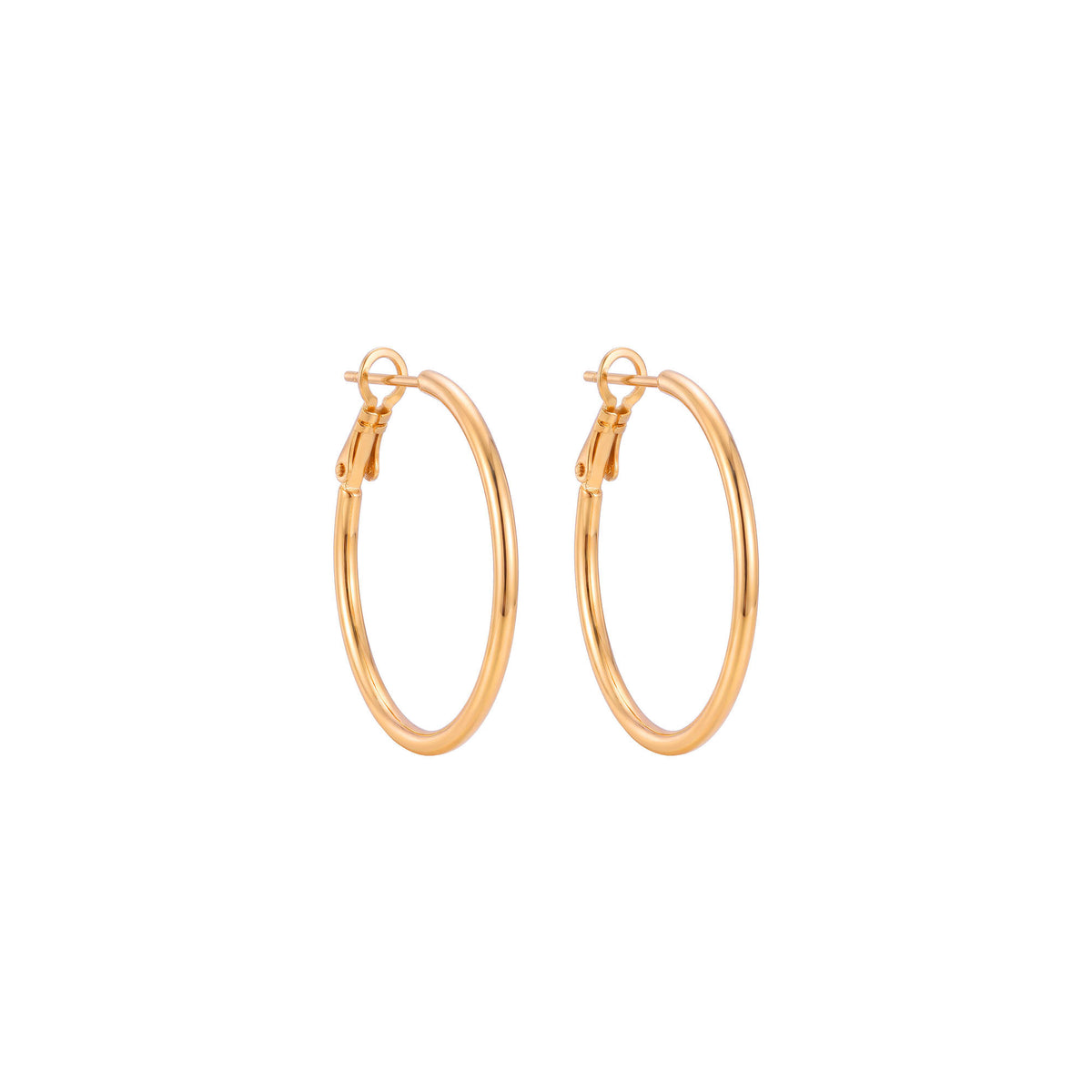
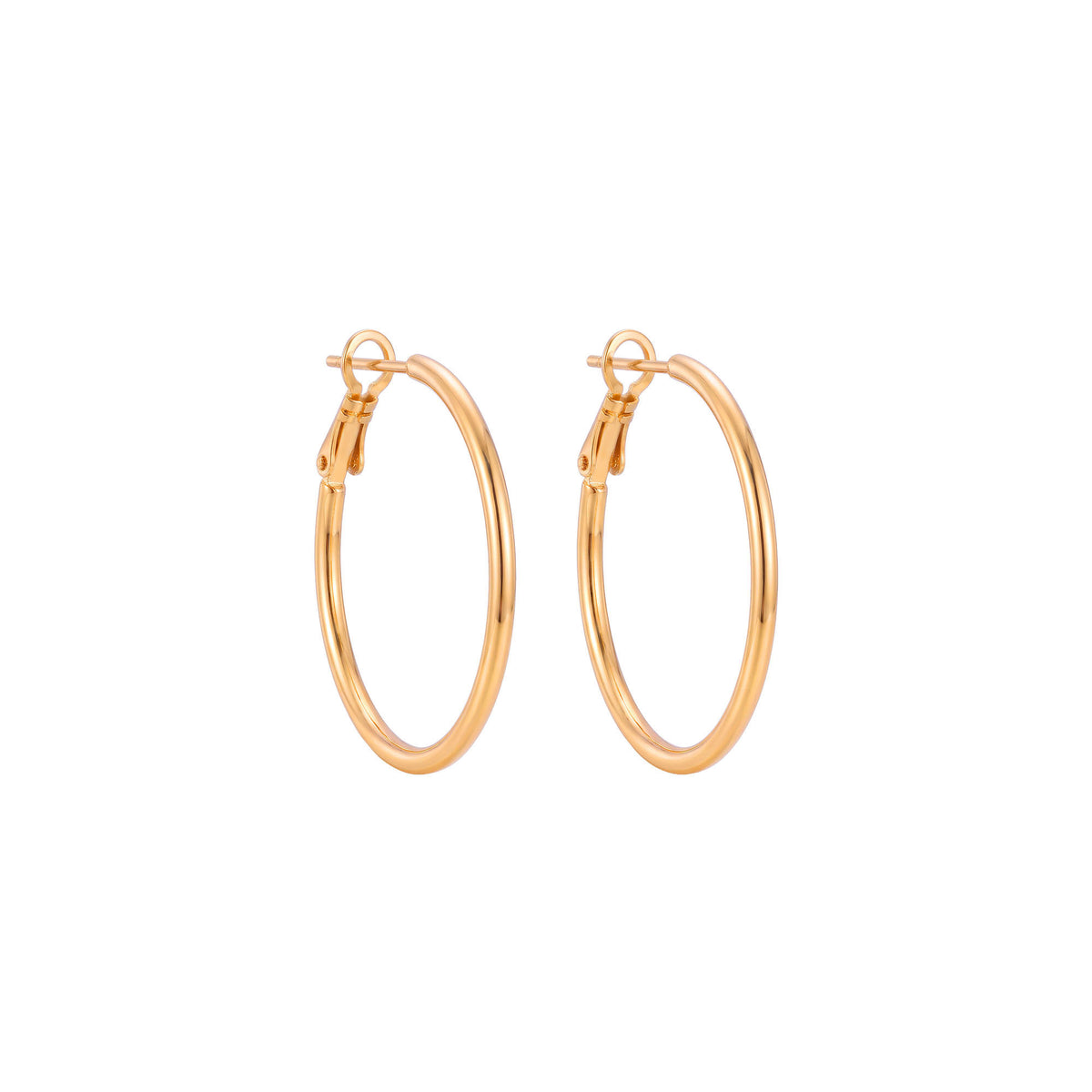
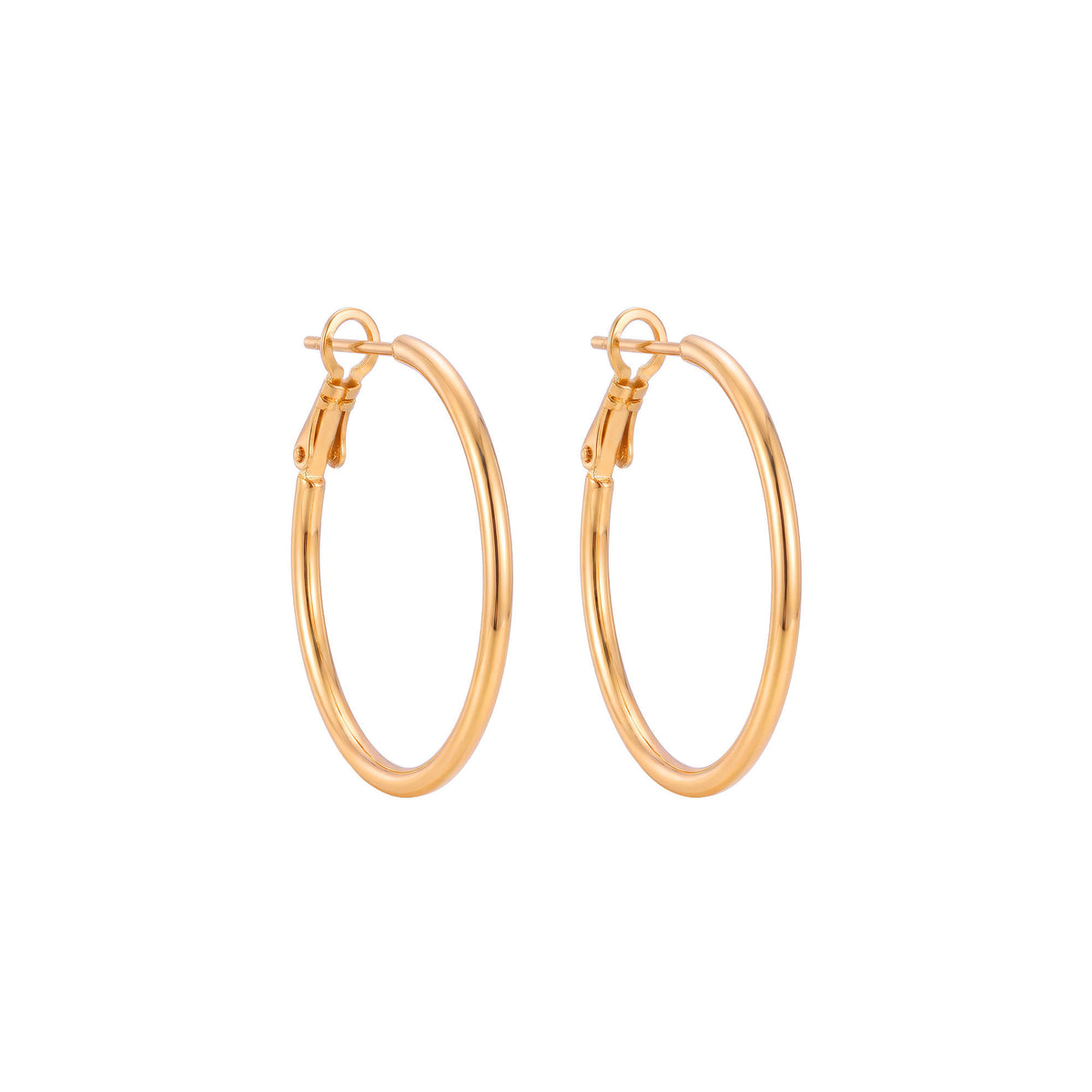
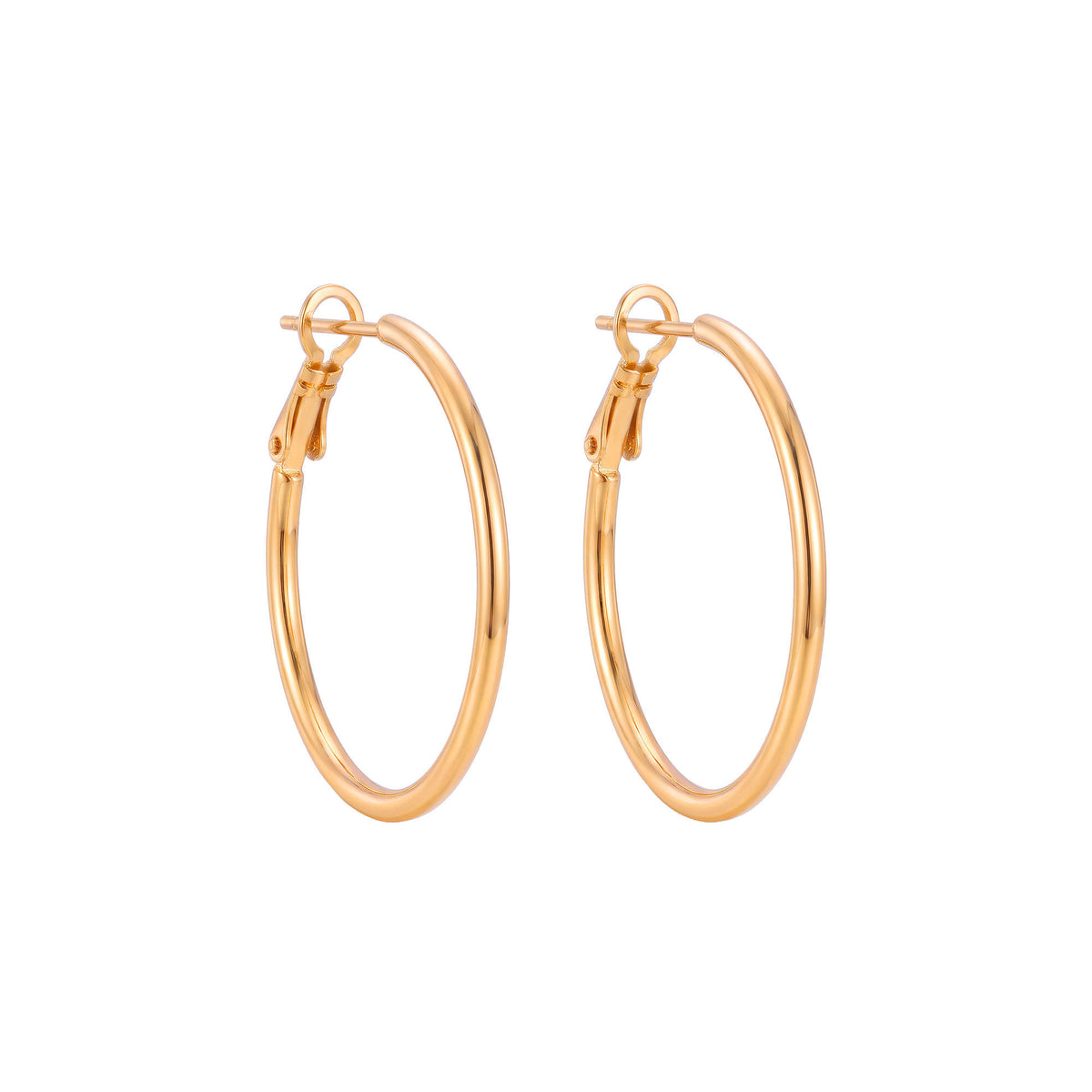
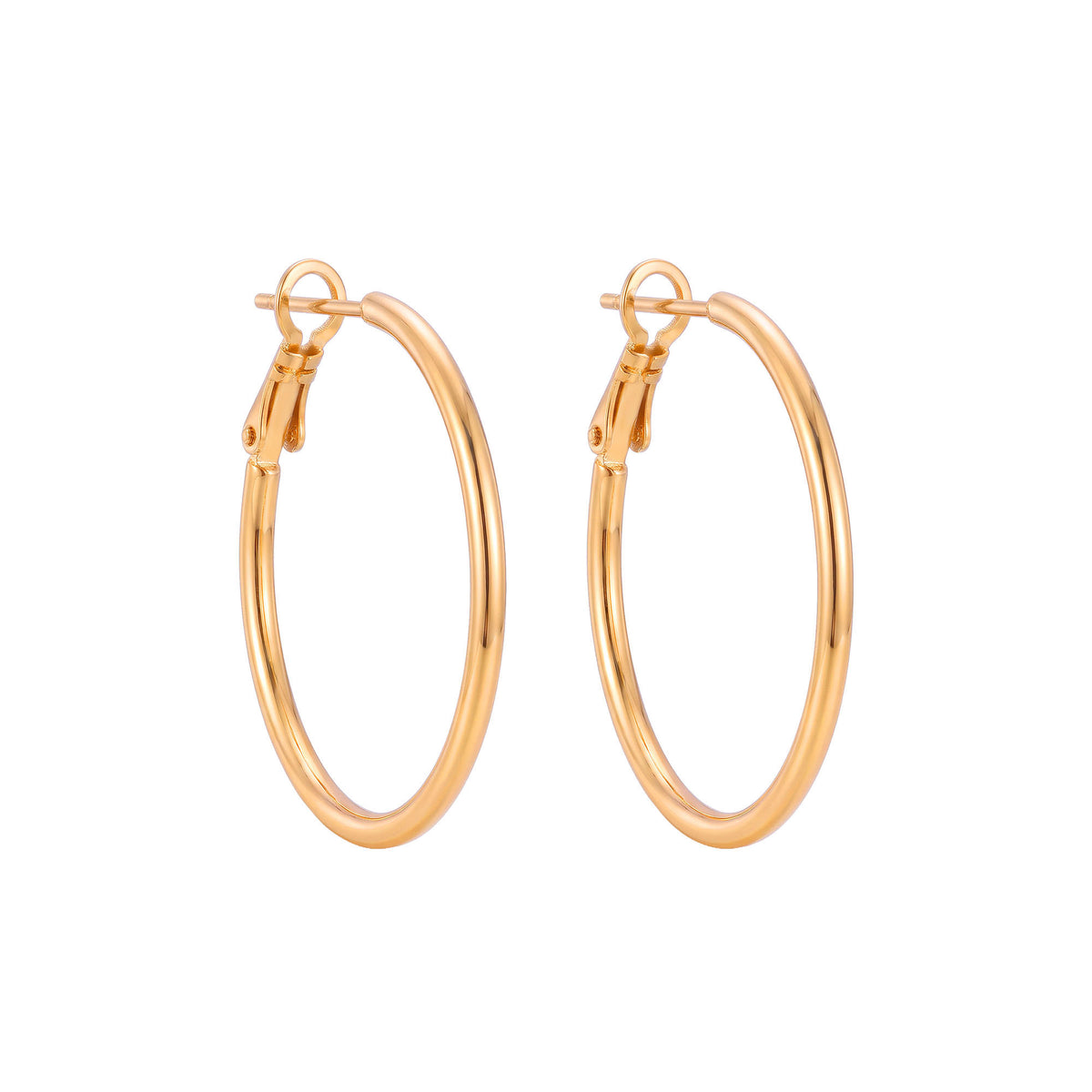
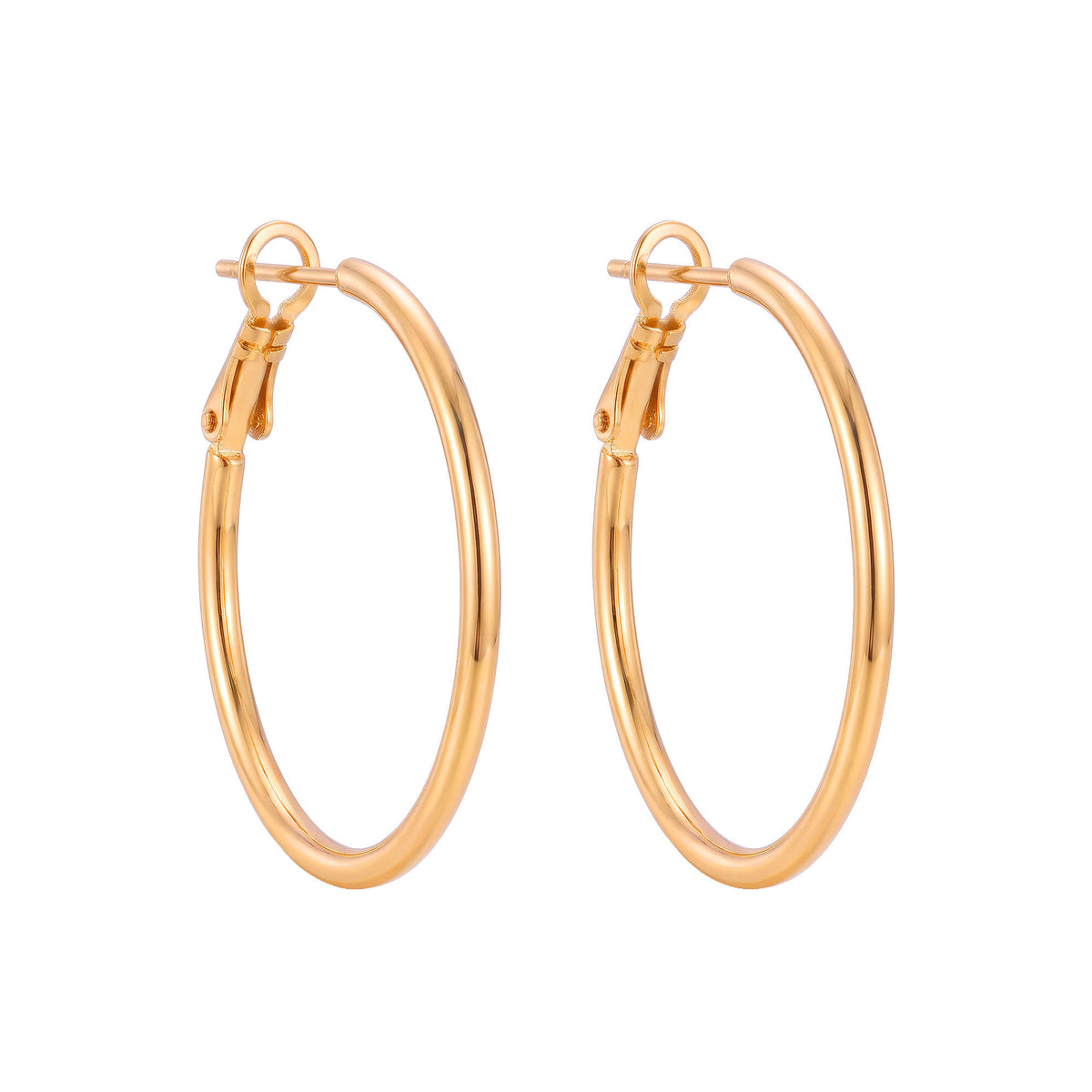
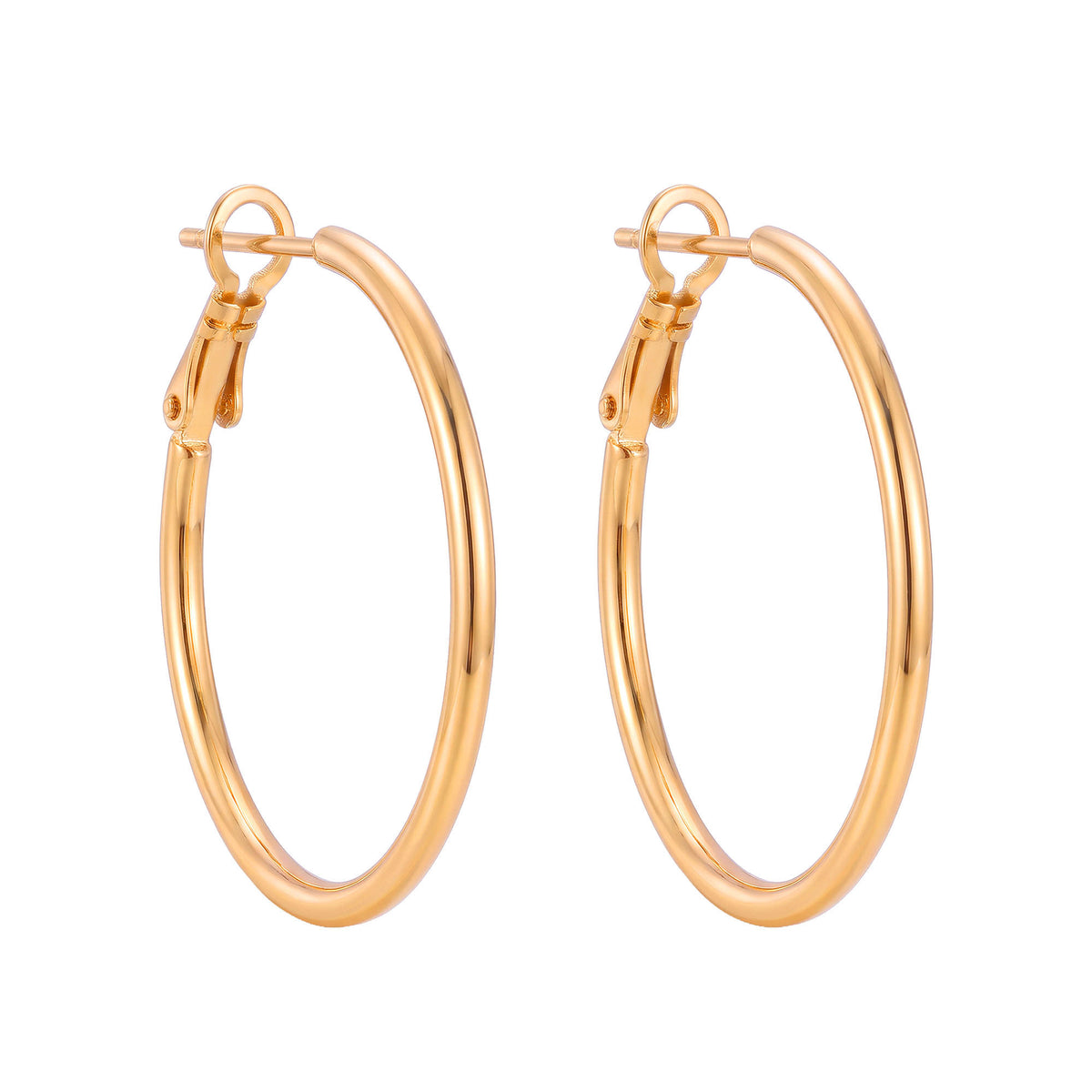
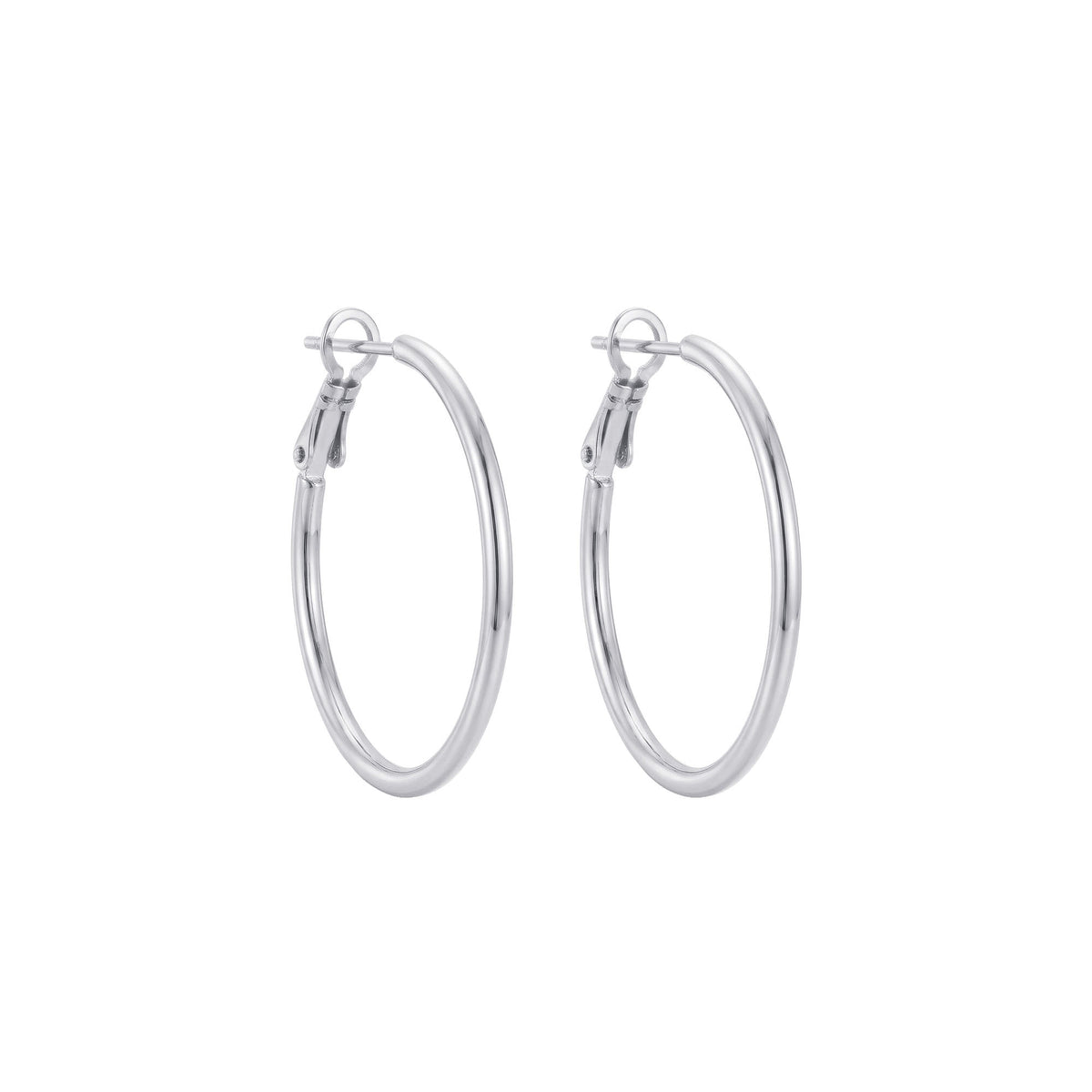
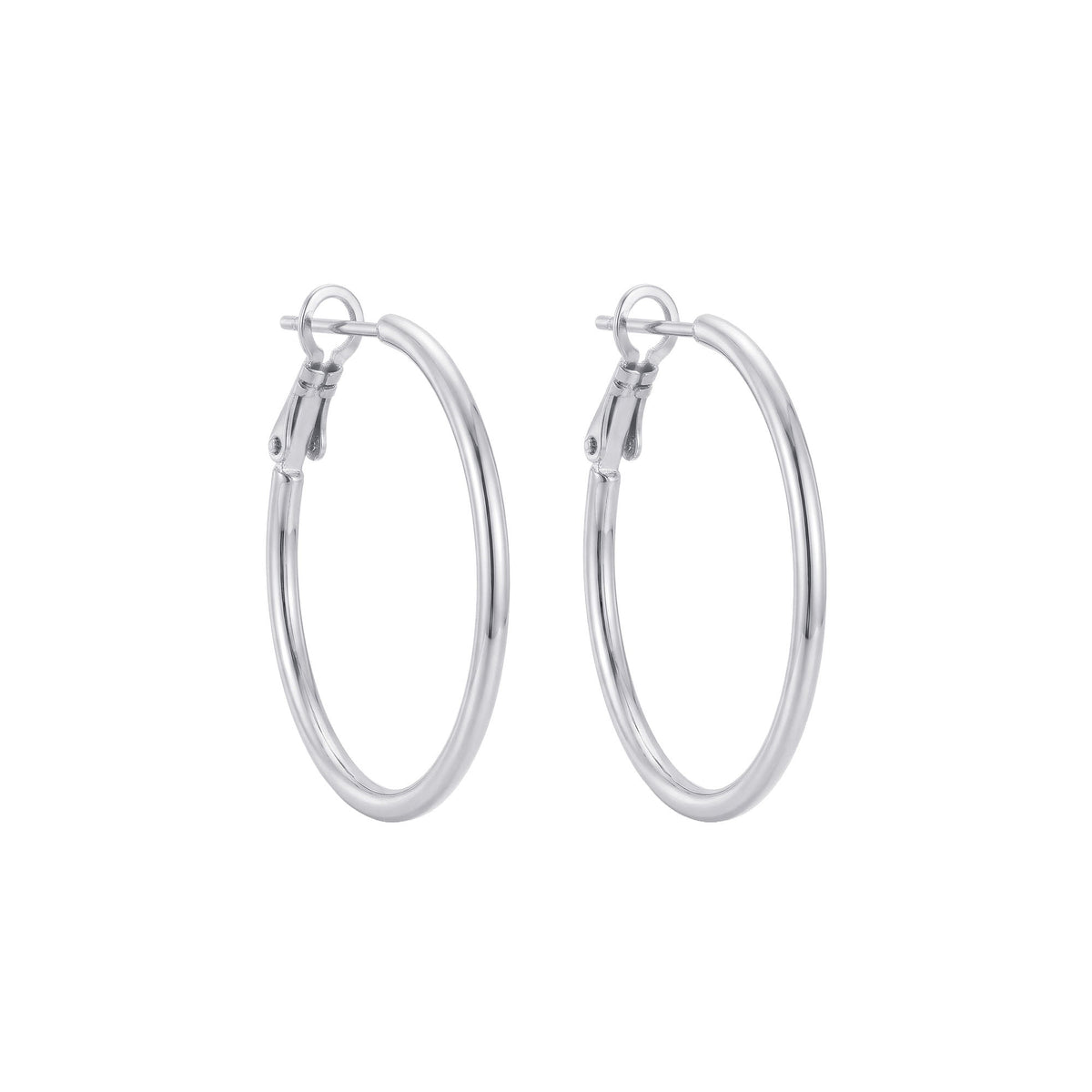
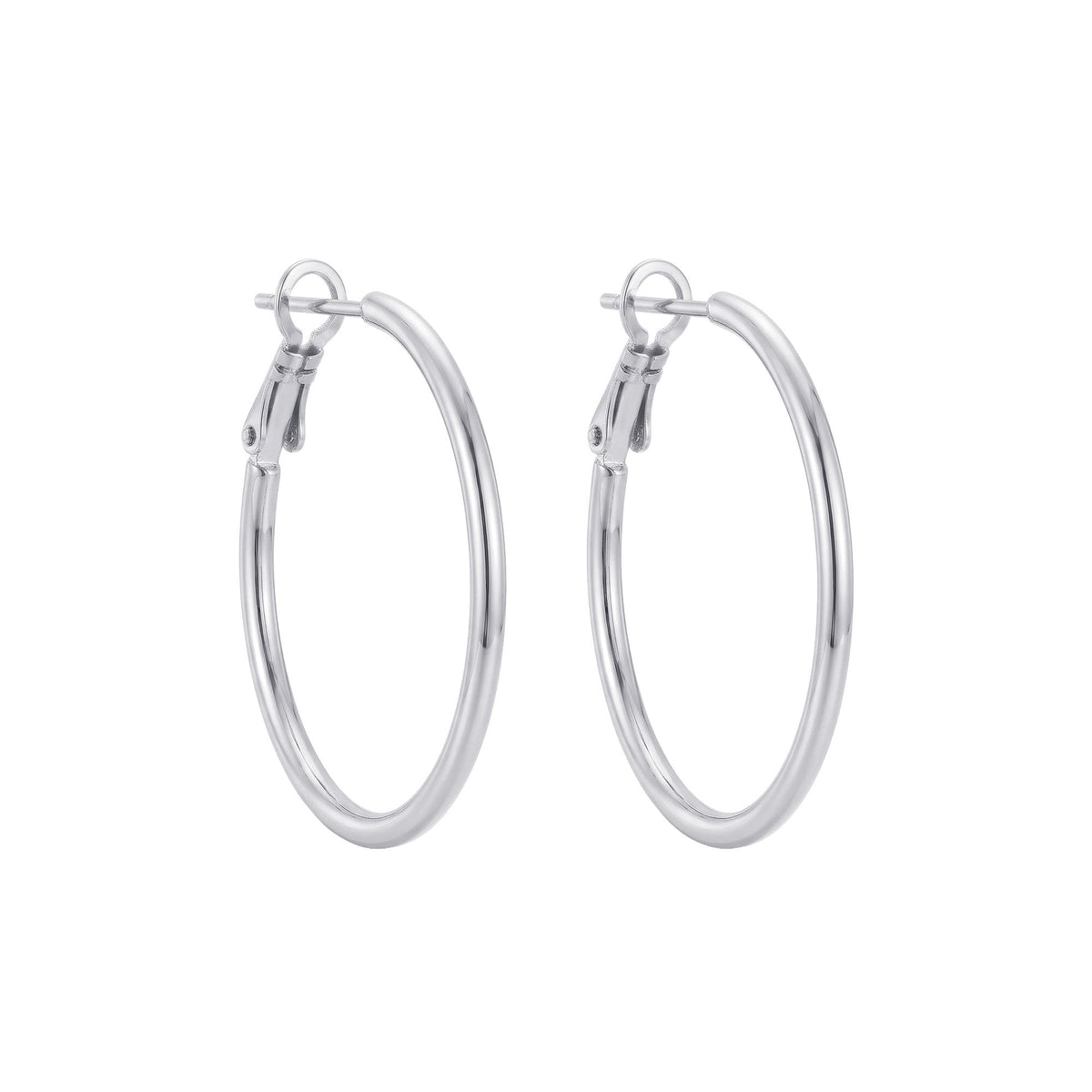
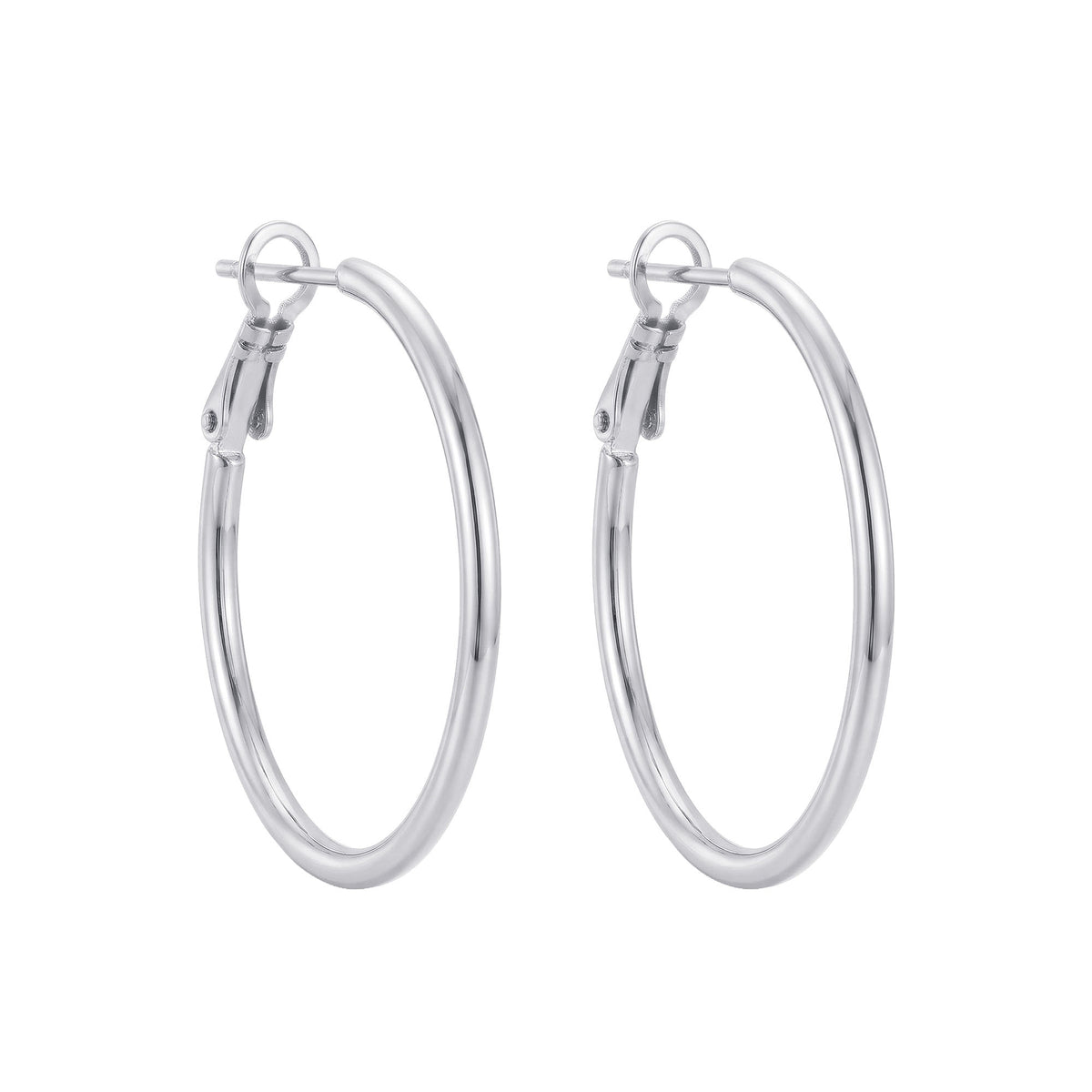
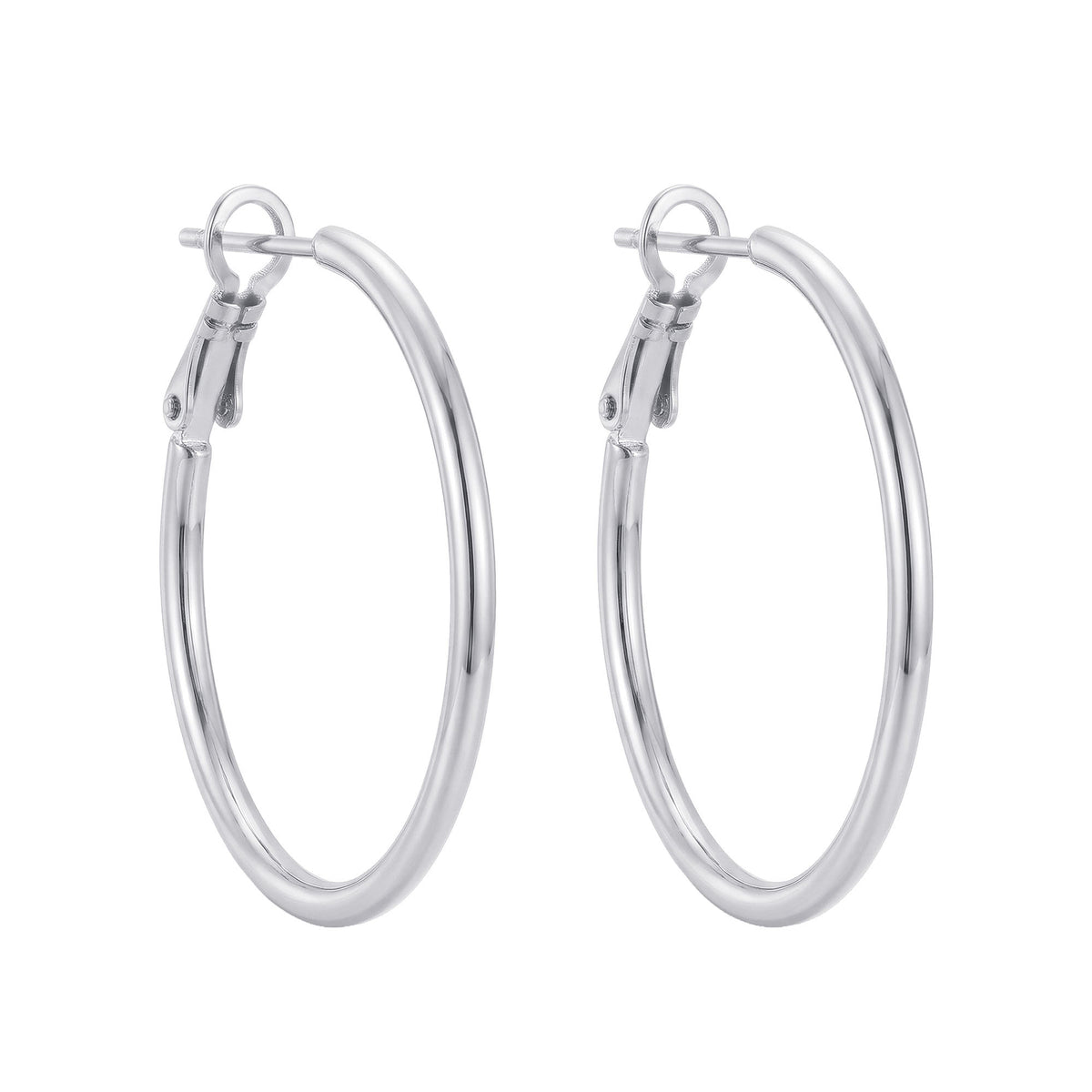
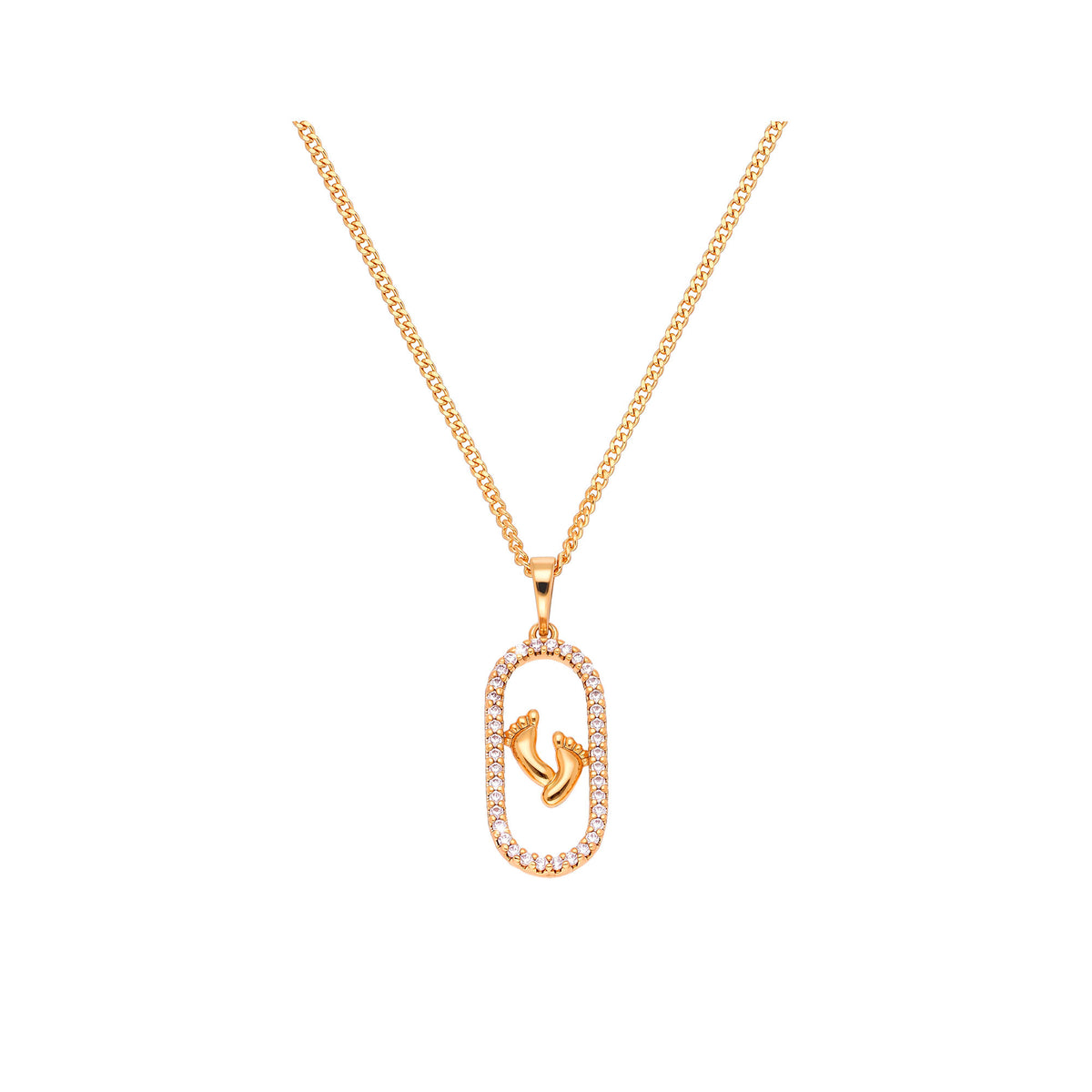
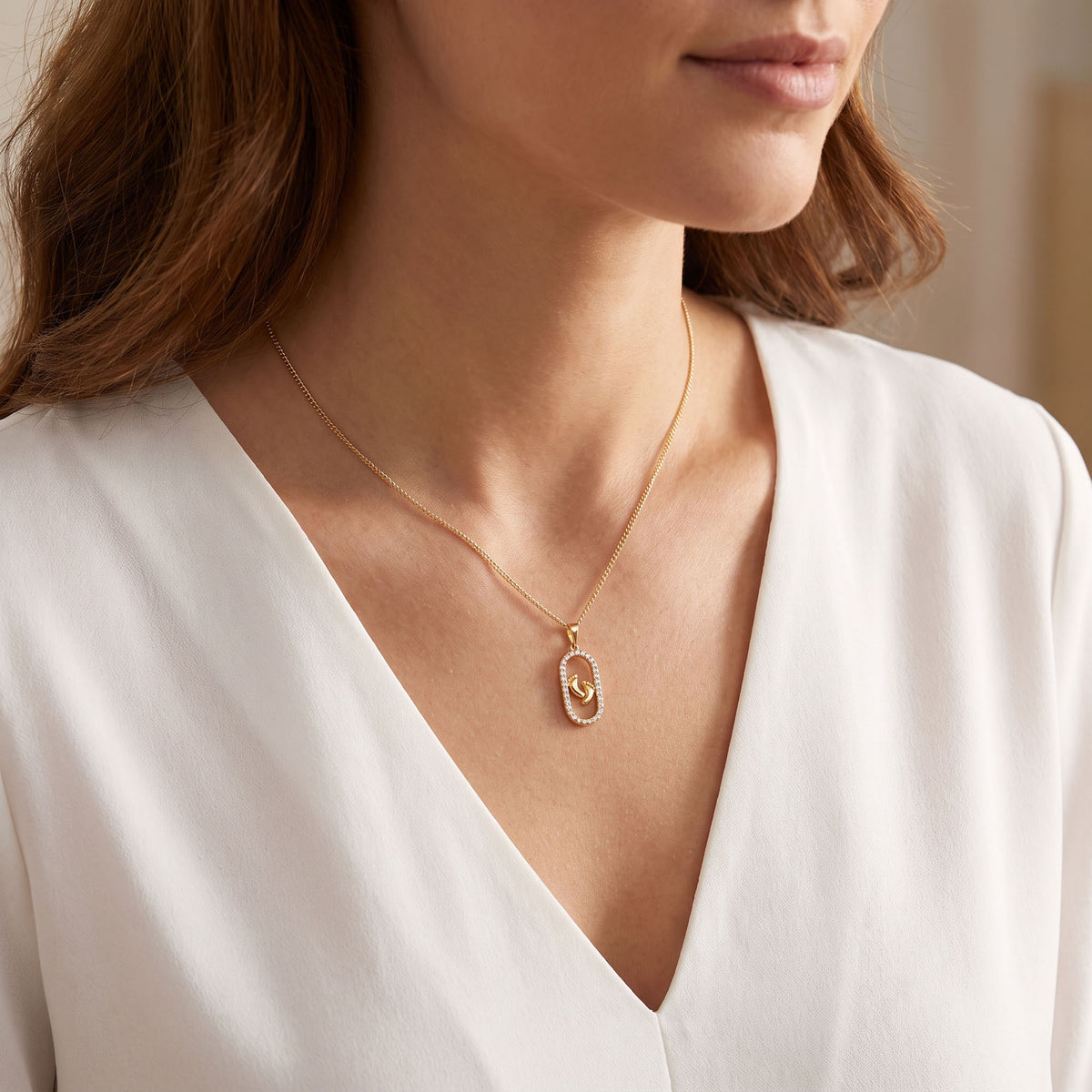
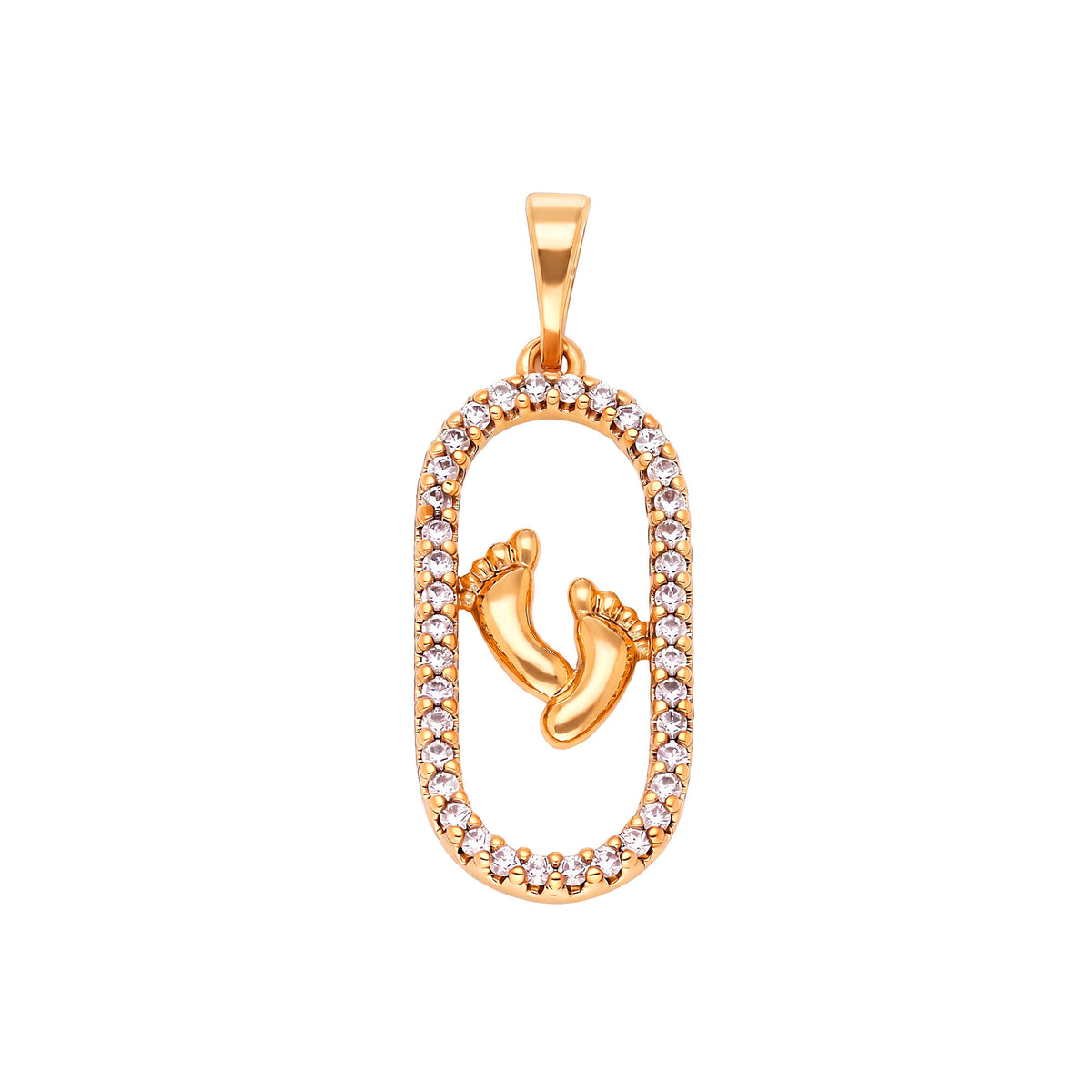
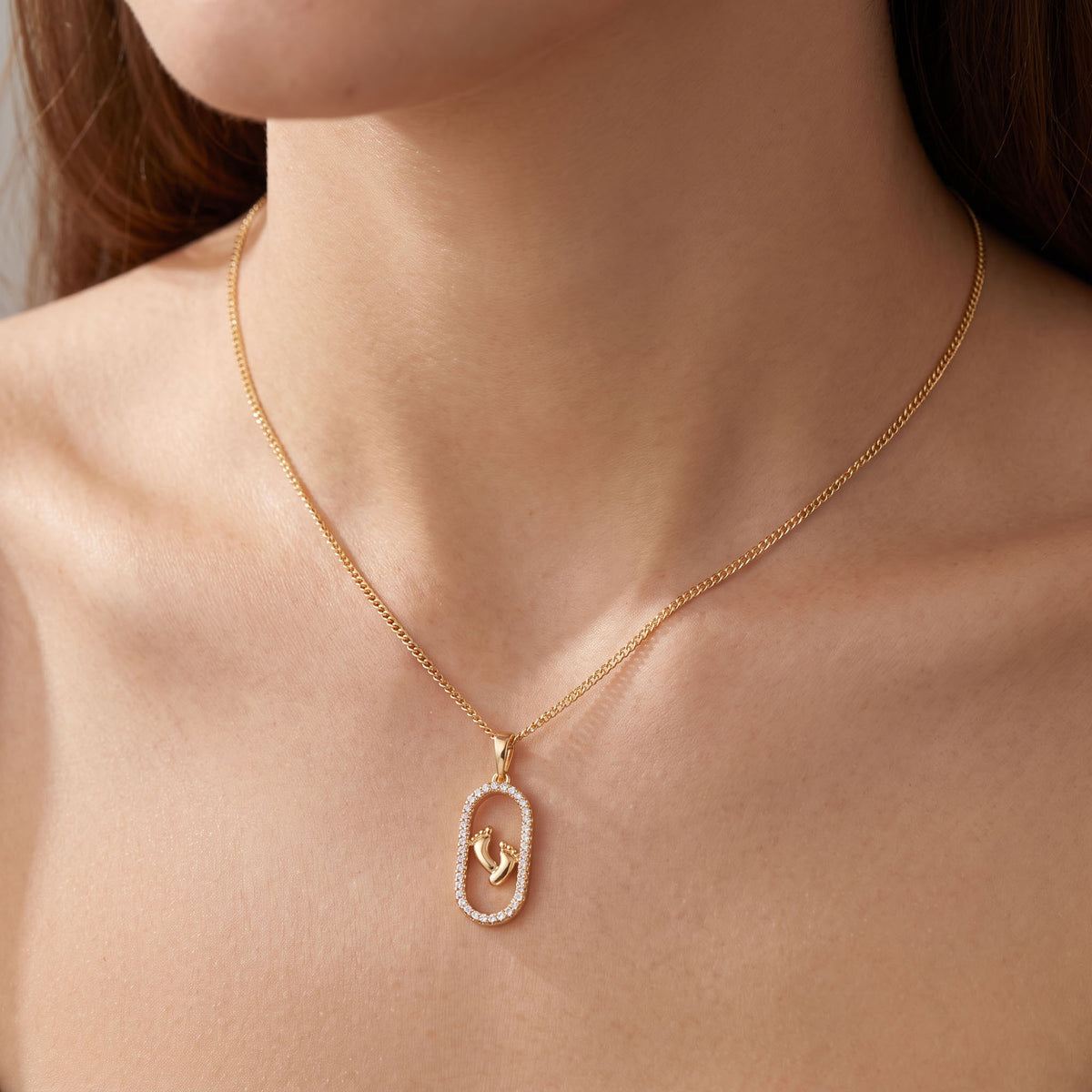
The practical takeaway: if you want gold plating to last longer, choose earrings and pendants. They hardly ever get rubbed. Browse: Gold-plated jewelry, 18K gold-plated earrings, 18K gold-plated pendants.
Three things that do more damage than everyday wear
- Chlorine and sea salt. It's best to take your jewelry off before you get in the pool – that's no exaggeration, as chlorine attacks plating quickly.
- Perfume and hairspray. That's why jewelry goes on last, once everything else has been sprayed.
- A damp jewelry box. A bathroom shelf is the worst place for jewelry – there's always steam there.
If the color has already changed
First you need to work out whether it's build-up or wear – they're completely different problems, and only one of them can be fixed. How to tell them apart: if your jewelry has darkened.
What's actually under the gold plating and why it determines how long a piece lasts: what medical gold is and jewelry plating.
Frequently asked questions
How often should I clean gold-plated jewelry?
Wipe it with a dry cloth after every wear. Wash it with water only when it's really necessary – the less often, the better.
Can I wear gold-plated jewelry in the shower?
Once won't do any harm, but it isn't worth making a habit of: soap builds up in clasps and under stones, and that's exactly where the plating suffers.
Is there a cleaning product made specifically for gold plating?
In practice, the best product is a soft, dry cloth. Liquids that promise to restore shine almost always contain an abrasive or an acid.