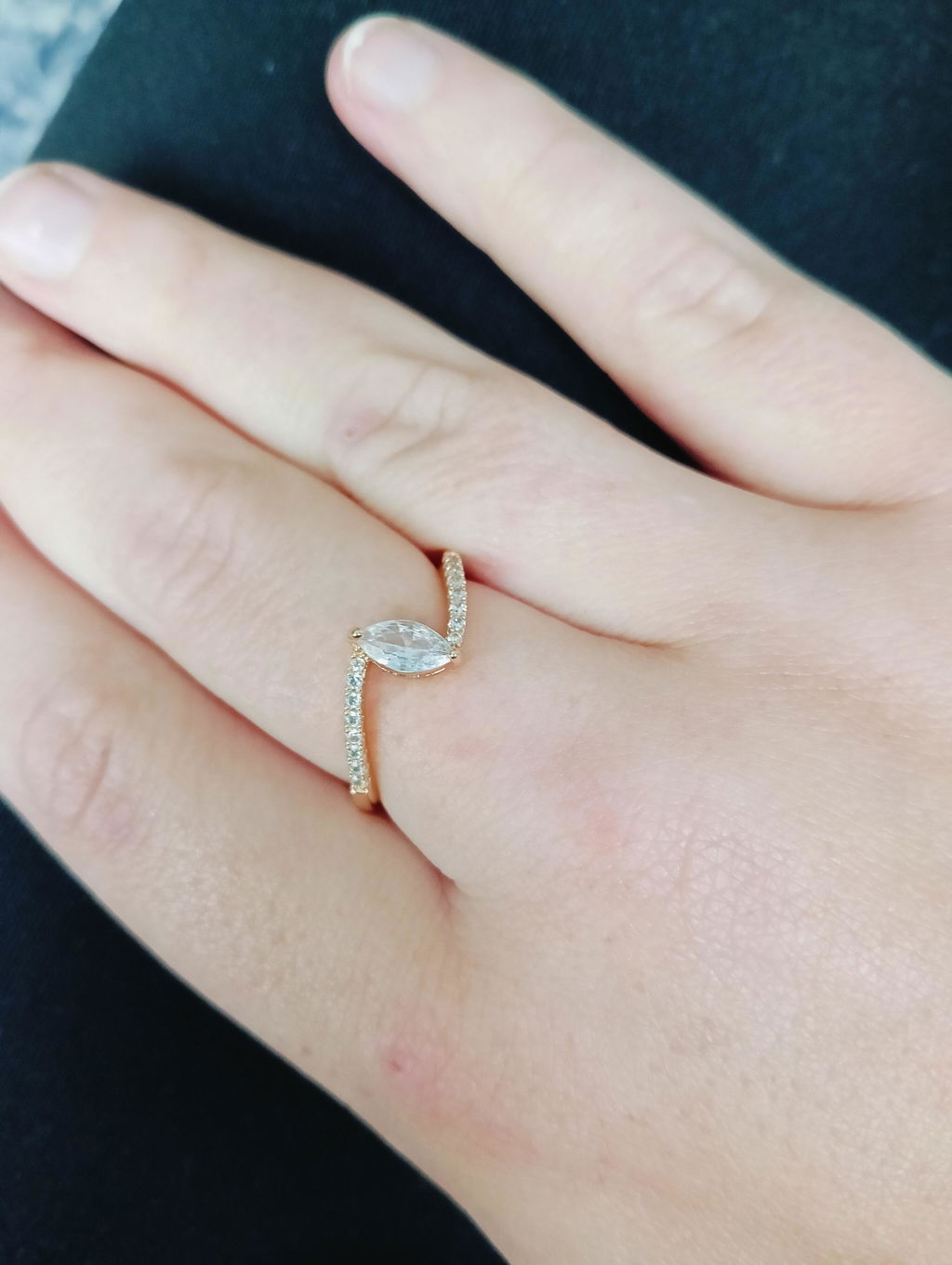
Men's jewellery — chain, bracelet and ring
Which chain and bracelet suit a man, how to choose the width for your wrist, and why one metal tone is the only rule that really works.

Men's jewellery offers a narrower choice, and that makes it simpler: a chain, a bracelet, a ring. The hard part isn't deciding what to wear, but how much.
The chain
Two things matter in a man's chain: width and weave. The width decides how noticeable it is; the weave decides how long it will last.
- 3–4 mm — the everyday option, visible under a collar without being overbearing.
- 5–6 mm — a noticeable accent. At this width, keep other jewellery to a minimum.
- Over 6 mm — a statement in its own right. Don't pair it with anything else.
Which weave stands up to daily wear: chain weaves explained.
The bracelet
For a man, the bracelet is almost always the first piece to wear out — it rubs against the desk, the keyboard and the steering wheel. So the plating matters more than the design.
How to choose the width and how to wear it with a watch: our bracelet guide.
One metal tone
The only rule that really works in men's jewellery: everything in one tone. Chain, bracelet, ring and watch — either all warm or all cool.
In women's jewellery, mixed tones can look like a deliberate choice. In men's, they almost always look like an accident.
Browse: For him, Men's chains, Men's bracelets, Men's rings, Men's pendants.
How much is too much
A practical limit is two pieces at a time: a chain and a bracelet, or a bracelet and a ring. Add a third and it needs to be a deliberate style rather than an afterthought.
Frequently asked questions
Does gold-plated jewellery suit men?
Yes. In men's jewellery, a gold tone looks more understated on a heavier weave than on a thin one.
Which chain works with a pendant?
A round one, not a flat one — a flat chain twists and the pendant slides round to the side.
Can I wear a ring when I work with my hands?
You can, but choose a plain shape without stones — it catches less and wears more slowly.